CablesPEEK 3D Printing Filament
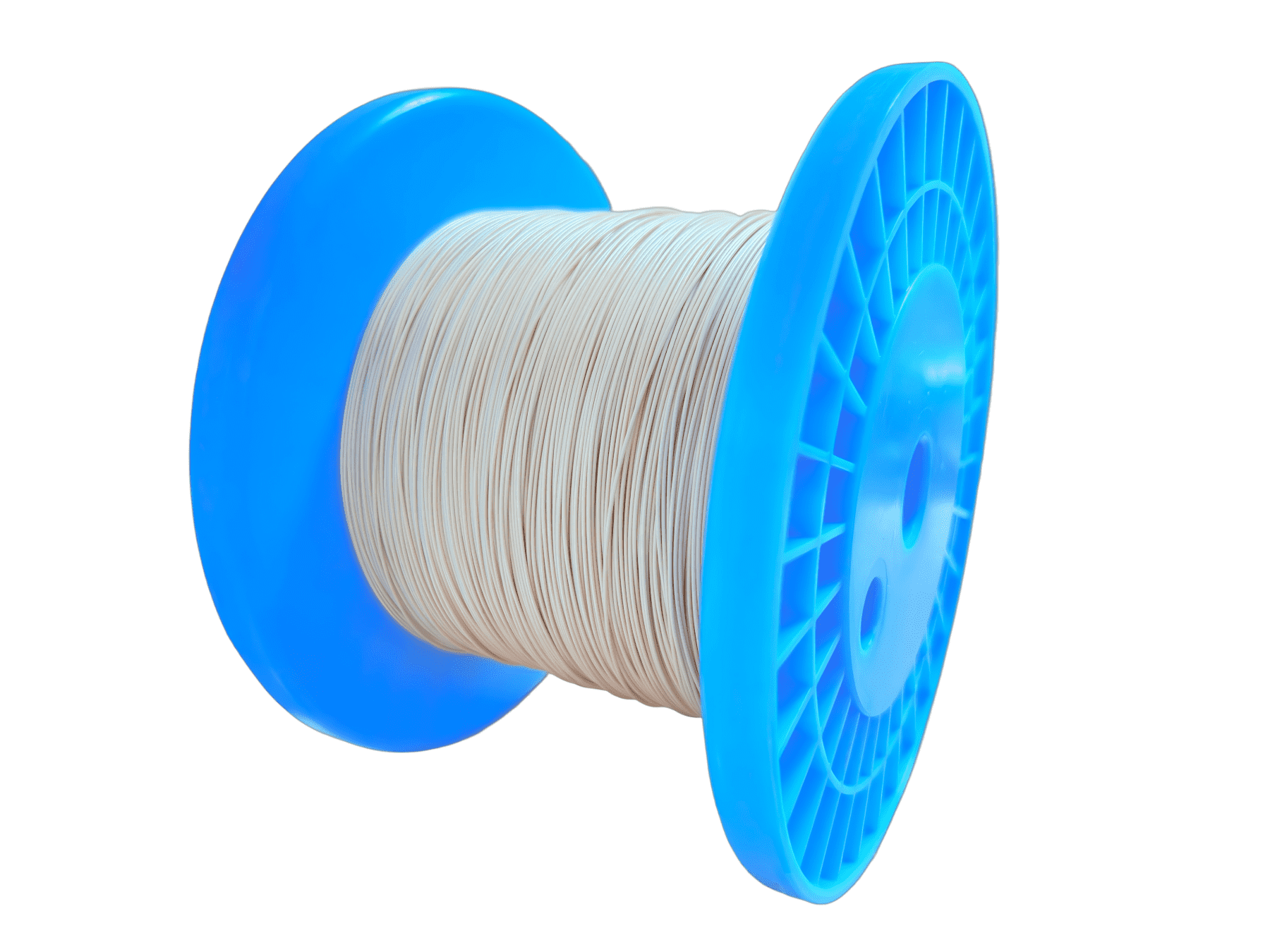
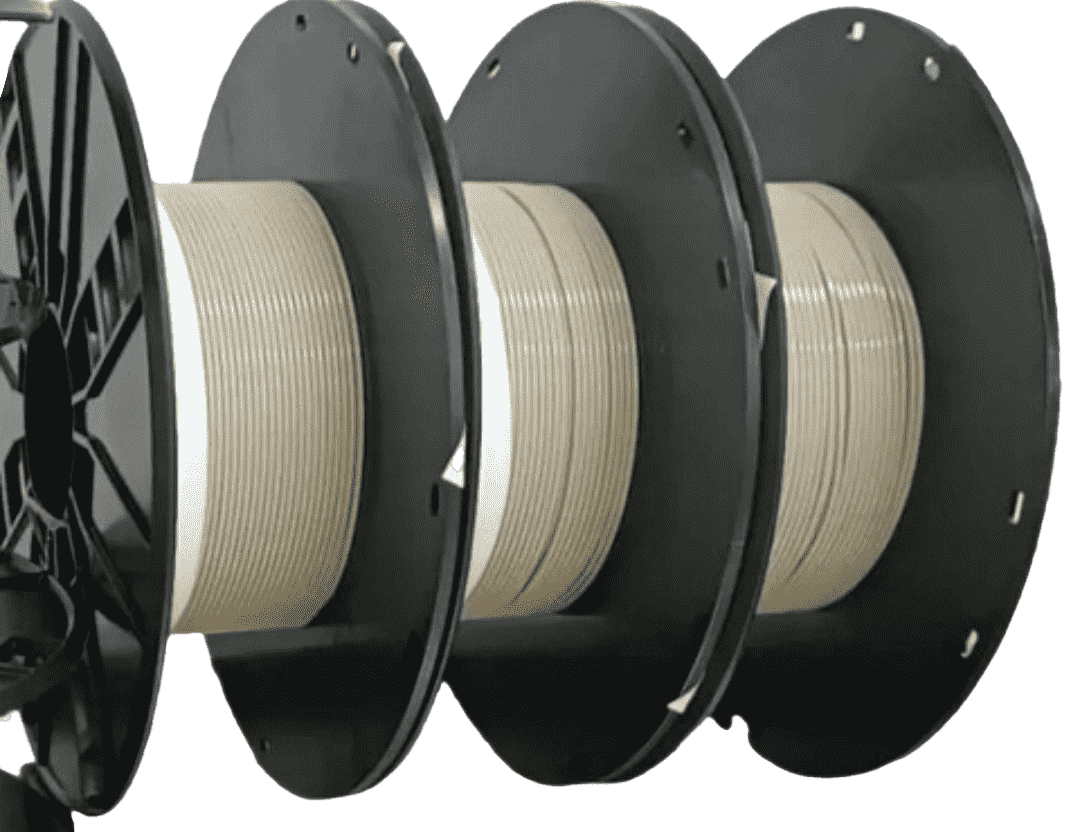
Designed specifically for industrial-grade additive manufacturing. Features excellent thermal stability, mechanical strength, and biocompatibility.
Specifications
- Temperature:-70~260℃
- Flame Retardant:VW-0
Applications
- Aerospace
- Structural components
- High-temperature resistant kits
- Medical devices
- Implantable contact parts
- Chemical process equipment
- Corrosion-resistant parts
- Mold replacement parts
- Fixture replacement parts
- Wear-resistant replacement parts
- Terminal functional replacement parts
- High-temperature electronic insulation
- Structural support components
Product Detail
PEEK 3D Printing Filament - Technical Documentation
Overview
PEEK 3D printing filament is made from high-purity polyetheretherketone material and is specifically designed for industrial-grade additive manufacturing. It offers excellent thermal stability, mechanical strength, and biocompatibility.
Technical Specifications
| Parameter | Value | Unit | Standard |
|---|---|---|---|
| Melting Point | 343 | °C | ASTM D3418 |
| Glass Transition Temperature | 143 | °C | ASTM D3418 |
| Continuous Use Temperature | 260 | °C | ISO 2578 |
| Printing Temperature | 360~420 | °C | - |
| Bed Temperature | 160~250 | °C | - |
| Filament Diameter | 1.75 / 2.85 | mm | - |
| Filament Diameter Tolerance | ±0.05 | mm | ISO 178 |
| Density | 1.26 | g/cm³ | ISO 1183 |
| Tensile strength | 93 | MPa | ISO 527-2 |
| Flexural modulus | 3.8 | GPa | ISO 527-2 |
| Melt flow rate (380°C/5kg) | 5~25 | g/10min | ASTM D1238 |
| Flame retardant rating | V0 | - | IEC 60695-11-10 |
Material Composition
| Component | Material | Percentage | Application |
|---|---|---|---|
| Main Material | PEEK | 95% | Main Conductor |
| Anti-degradation Additives | Antioxidants / UV Stabilizers | 0.3% | Enhance thermal stability |
| Functional Additives (Optional) | Carbon Fiber / Glass Fiber / Conductive Fillers | 0~30% (depending on formulation) | Improve rigidity, conductivity, or thermal conductivity |
Performance Features
- Excellent chemical resistance.
- High mechanical strength.
- Excellent dimensional and printing stability.
- Fatigue resistance and high-temperature tolerance.
- Good sliding and wear performance.
- Excellent flame retardancy (UL-94 V-0)/CMP/VW-1, with minimal smoke emission.
Temperature Tolerance
| Temperature (°C) | Mechanical property change | Applicability |
|---|---|---|
| 25 | Baseline | Optimal performance |
| 150 | ≈No change | Long-term use stability |
| 200 | Maintains ≈95% strength | Suitable for high-temperature long-term operation |
| 260 | Maintains ≈90~95% strength | Upper limit for continuous operation |
| 300 | Decreases to ≈80% strength | Limited to short-term use |
| ≥350 | Significant performance decline | Not recommended for use in such environments |
Chemical Resistance
| Chemical | Resistance Level | Notes |
|---|---|---|
| Acids | Good | Excellent resistance to most acids (some strong oxidizing acids require verification) |
| Alkalis | Good | Tested with NaOH and KOH |
| Organic Solvents | Good | Stable against ketones, esters, and hydrocarbons (some solvents require verification) |
| Oils | Excellent | Resistant to swelling or degradation |
| Fuels | Excellent | Resistant to swelling or degradation |
Application Areas
- Aerospace structural components and high-temperature resistant kits
- Medical devices and implantable/contact components
- Chemical process equipment and corrosion-resistant parts
- Molds, fixtures, wear-resistant components, and end-use functional parts replacing metal components
- High-temperature insulation and structural support components for electronics
Usage Guidelines
- Nozzle: It is recommended to use high-temperature alloy or ceramic nozzles with a temperature resistance of ≥420°C.
- Heat bed: 160~250°C; use a high-temperature-resistant build plate (PEEK, Garnet glass + high-temperature adhesive or special adhesive).
- Print chamber: Recommended to be enclosed and heated, with a chamber temperature of ≥70°C.
- Filament pre-treatment: Dry at 120°C for 2~4 hours to prevent moisture-induced bubbles and filament breaks.
- Nozzle diameter: 0.4~1.0 mm (for fiber-reinforced formulations, ≥0.6 mm is recommended).
- Layer height: 0.1~0.25 mm; print speed typically 10~40 mm/s (depending on machine type and formulation).
- Post-processing: Annealing: 200°C/2h → slow cooling (to enhance crystallinity and strength); specific processes must be validated per part.
Maintenance
Under normal operating conditions, inspection items include:
- After use, store the filament in a vacuum bag with desiccant
- Storage environment humidity ≤15% RH
- If the filament surface has moisture or bubbles, re-dry it
Certification
| Certification | Standard | Region |
|---|---|---|
| RoHS | RoHS 2011/65/EU | Europe |
| REACH | EC 1907/2006 | Europe |
| FDA | 21 CFR 177.2415 | United States |
| ISO | ISO 9001:2015 | Global |